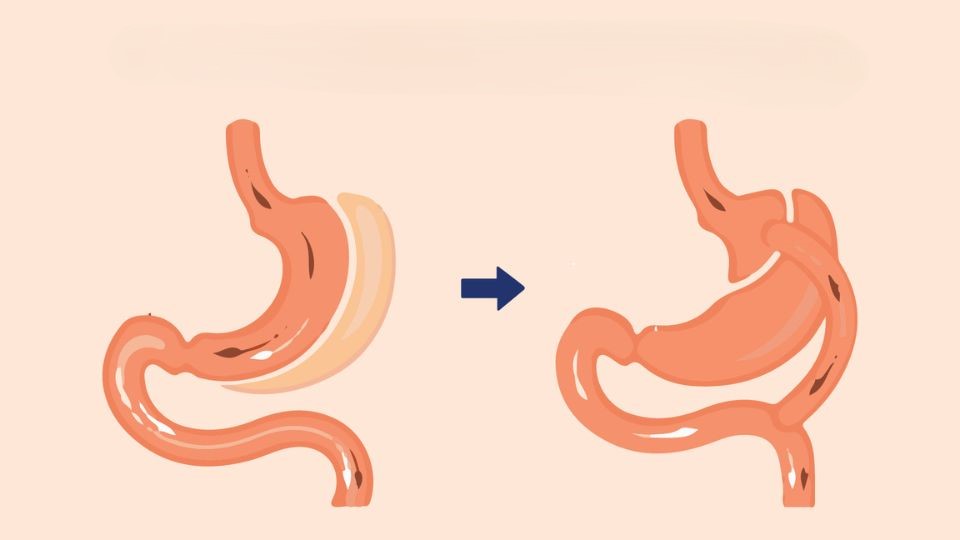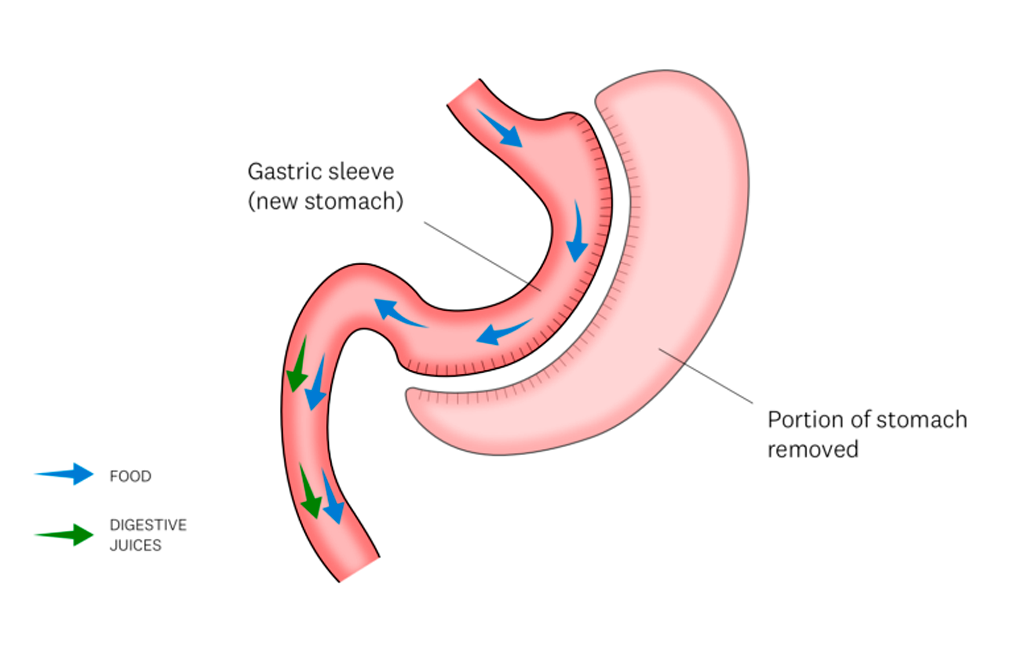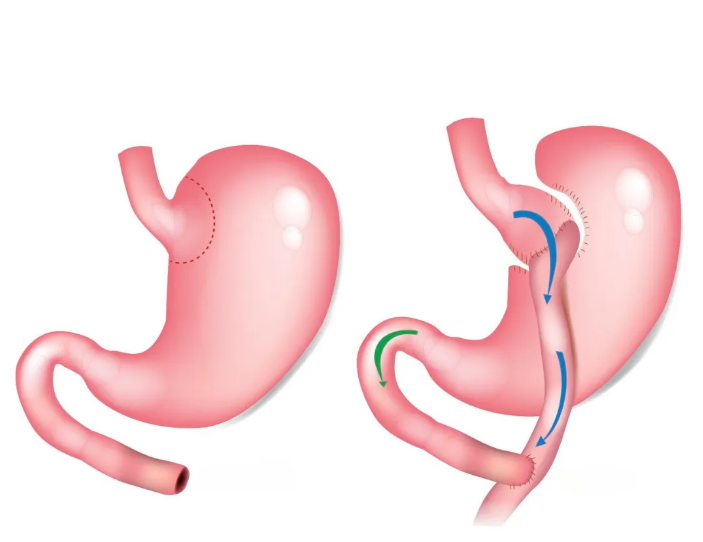
Gastric Bypass (commonly known in medical literature as Roux-en-Y) is a surgical procedure where the stomach volume is reduced, and a portion of the small intestine is "bypassed" (excluded) from the digestive tract. Thanks to this dual mechanism, patients feel full with much smaller portions, and the calorie absorption from consumed foods is significantly reduced.
- Type 2 Diabetes
- Sleep apnea
- Hypertension (High blood pressure)
- Severe joint and back pain caused by excess weight
- Morbidly obese patients with a Body Mass Index (BMI) of 40 and above.
- Individuals with a BMI between 35 and 39.9 who have additional weight-related diseases such as diabetes, high blood pressure, or heart conditions.
- Individuals who have not achieved results from previous medical diet programs.
- Those who cannot adhere to lifelong dietary and vitamin supplement guidelines post-surgery.
- Individuals with untreated severe psychiatric disorders.
- Individuals with active alcohol or substance addiction.
Gastric Bypass is performed using the laparoscopic surgery method (a minimally invasive, closed surgery technique performed through a few small millimetric incisions using special cameras and instruments, rather than making a large incision in the abdomen), which significantly accelerates the patient's recovery process.
- Procedure Time: The operation is generally completed between 2 to 3 hours, depending on the patient's condition.
- Technologies Used: Thanks to advanced high-resolution 3D laparoscopic systems and robotic surgery technologies preferred in modern clinics, the procedures are completed with maximum precision and minimum tissue damage.
- Infection or bleeding.
- Anastomotic leak (Leaks that may occur at the newly created connection points between the stomach and intestine).
- Dumping Syndrome: A feeling of nausea, sweating, and palpitations caused by the rapid passage of food into the small intestine, especially after consuming high-sugar and carbohydrate foods. It is easily prevented by closely following the dietitian's post-operative recommendations.
With its world-class technological infrastructure, fully equipped hospitals holding international certifications, and highly experienced expert surgeons, Turkey is a global hub of attraction for bariatric surgery. It offers both premium quality and accessible costs simultaneously.
- VIP transfer services from the airport to the clinic and comfortable, luxury accommodation options.
- 24/7 support from expert translators and assistants, allowing you to communicate in your native language.
- Continuous post-operative dietary tracking accompanied by experienced dietitians, online, even after you return to your home country.
- ASMBS (American Society for Metabolic and Bariatric Surgery): Bariatric Surgery Procedures and Long-Term Impact Reports.
- Mayo Clinic: Gastric Bypass (Roux-en-Y) Procedure and Patient Guide.
- WHO (World Health Organization): Global Information Guide on Obesity and Metabolic Syndrome.
- Cleveland Clinic: Bariatric Surgery and Post-Operative Patient Follow-up Data.