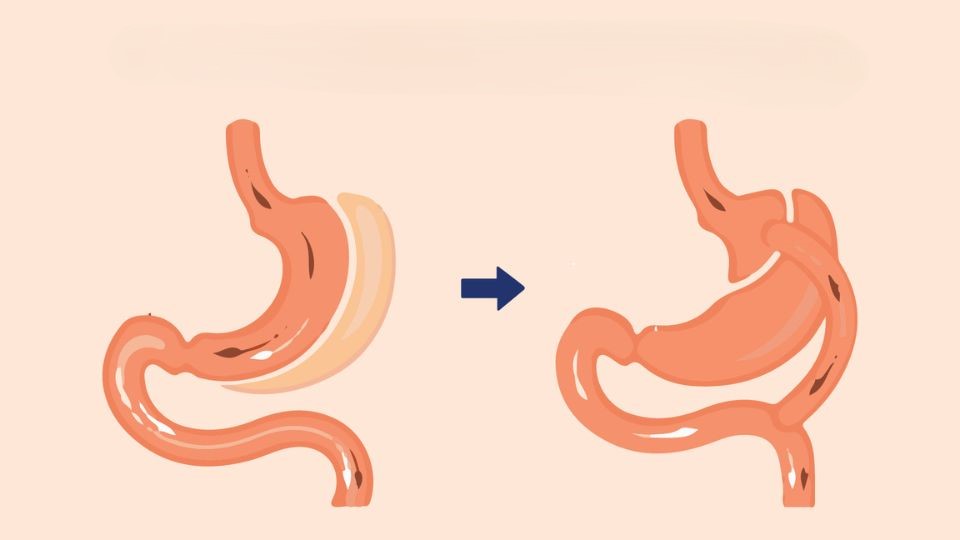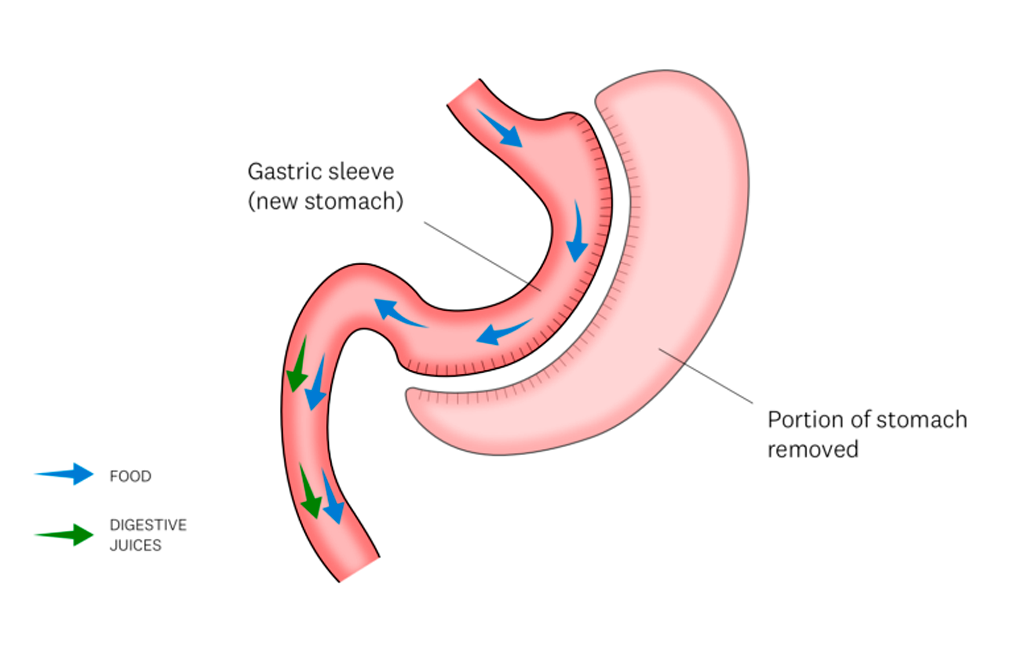
Obesity is recognized as one of the major health challenges of the modern age. For many people who cannot achieve permanent weight loss despite diet and exercise programs, surgical methods are not just an aesthetic change, but a vital turning point. In this regard, Gastric Sleeve Surgery stands out as one of the most frequently performed procedures worldwide.
The success of this procedure in weight loss relies on two fundamental mechanisms:
Gastric sleeve surgery may not be suitable for everyone. According to international criteria, ideal candidates are:
- Patients with a Body Mass Index (BMI) of 40 or higher.
- Patients with a BMI between 35-40 who have obesity-related comorbidities such as diabetes, high blood pressure, or sleep apnea.
- Those who have tried methods like diet and sports but could not achieve lasting results.
- Those without serious psychological disorders or hormonal imbalances that would prevent surgery.
- Process: Performed under general anesthesia, the procedure takes on average between 45 to 90 minutes.
- Technology: Surgeons use high-tech automatic stapling devices called "staplers" to cut and seal the stomach simultaneously.
- Advantage: Thanks to the closed method, post-operative pain is minimal, scarring is negligible, and the recovery process is quite fast.
- Leakage Risk: Leakage from the staple line (The most feared complication, but the rate is around 1%).
- Bleeding or Infection: Standard surgical risks.
- Vitamin Deficiencies: Although it is not a malabsorptive surgery, vitamin supplements may be required in the initial period due to reduced food intake.
- Loss of 50% of excess weight within the first 6 months.
- Loss of 70-80% of excess weight by the end of the first year.
- 60-80% improvement or reduction in medication use for conditions like Type 2 diabetes and hypertension.
Turkey has become one of the world's leading centers for health tourism. JCI-accredited fully equipped hospitals, expert surgeons with high case experience, and technological infrastructure at European/US standards are the main factors making Turkey attractive. Moreover, this high quality is accessible at much more affordable costs compared to European countries.
As Medical Guide, we transform this process into a seamless experience for you. We offer a holistic health journey, not just surgery organization:
- Personalized Planning: We are with you at every step, from airport pick-up to accommodation, pre-op tests to post-op follow-up.
- Language Support: We eliminate language barriers with our assistants who speak your native language.
- Reliability: We work only with proven surgeons and hospitals with international certifications.
- IFSO (International Federation for the Surgery of Obesity and Metabolic Disorders): Global Registry Reports.
- ASMBS (American Society for Metabolic and Bariatric Surgery): Sleeve Gastrectomy Procedure Guidelines.
- Mayo Clinic: Bariatric Surgery Procedures and Risks.
- National Institutes of Health (NIH): Long-term outcomes of laparoscopic sleeve gastrectomy.