Bariatric surgery is a powerful tool that provides lasting weight loss and fundamentally changes patients' quality of life. However, in some cases, the initial surgery may not yield the expected results over the years, weight regain may occur, or certain anatomical complications may arise. This is where Revision Bariatric Surgery
comes into play. It is a reliable and corrective "second chance" operation performed to help patients regain their health and ideal weight when their first bariatric surgery falls short.
What is Revision Bariatric Surgery?
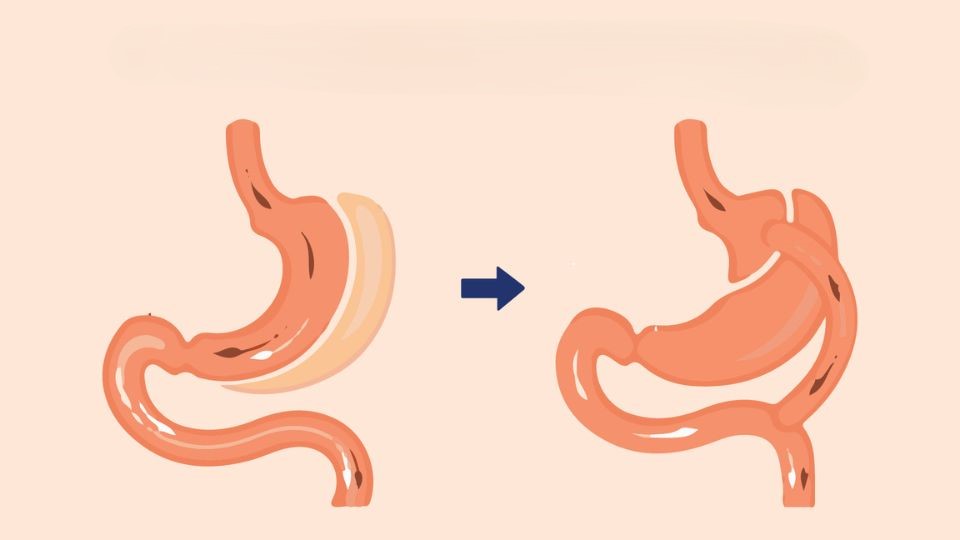
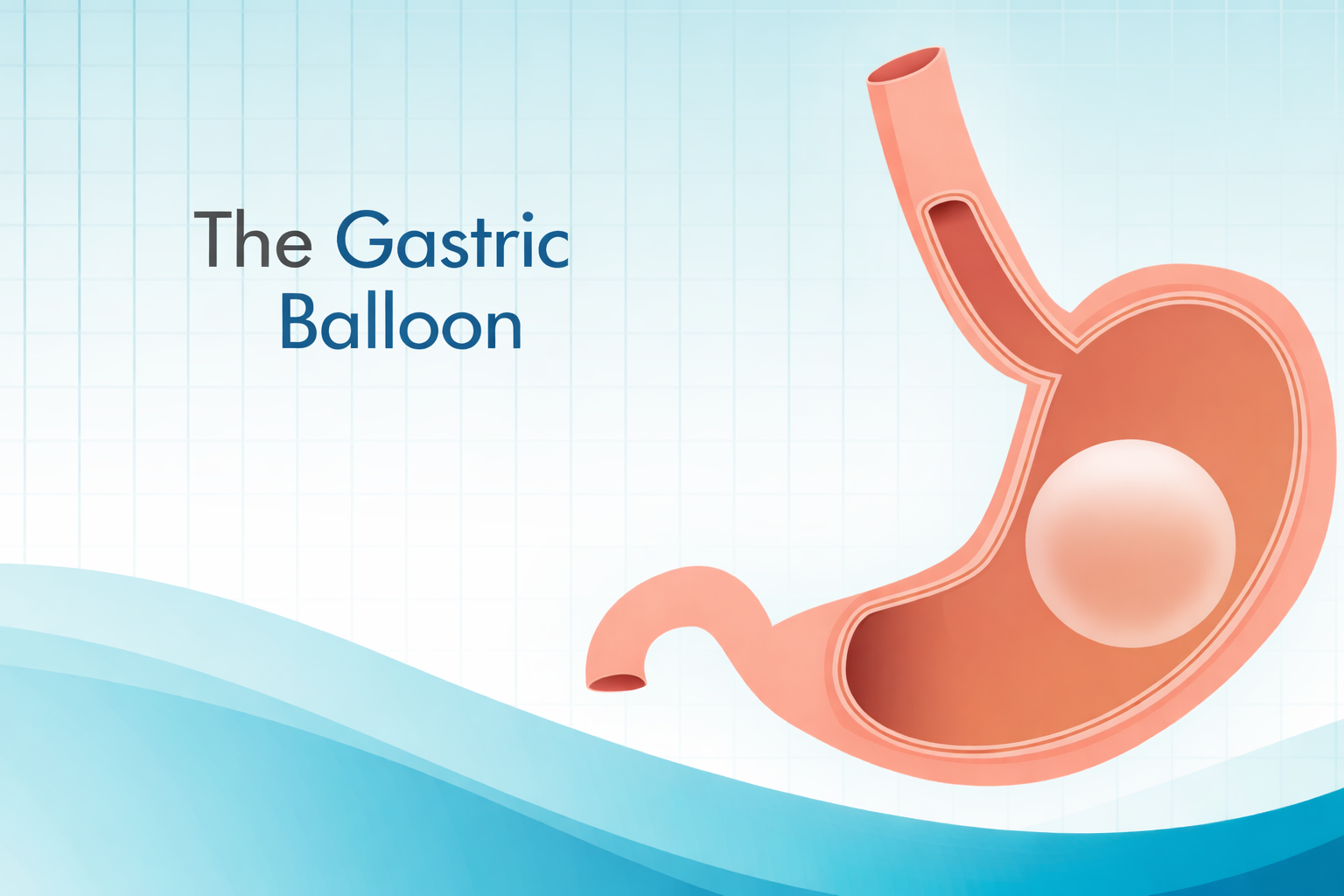
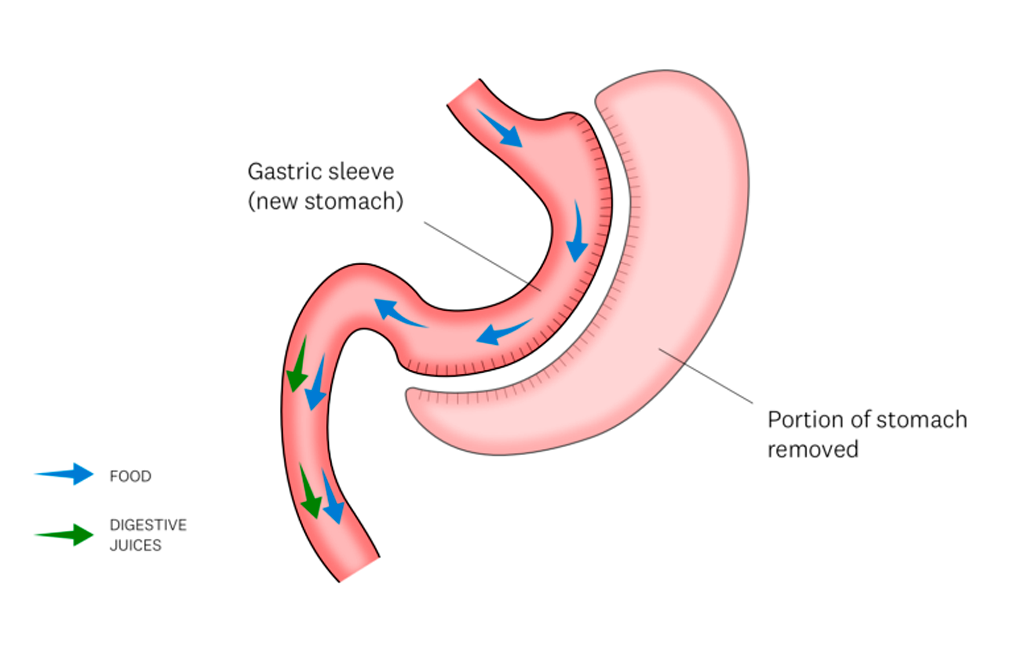
Revision bariatric surgery is a procedure performed to alter, repair, or completely convert the anatomy of a previously undergone weight-loss surgery (such as a gastric sleeve or gastric band) into a different bariatric procedure. It is generally applied to permanently resolve issues like insufficient weight loss, excessive weight regain months or years later, severe acid reflux, or swallowing difficulties.
Who is a Good Candidate, and Who is Not?
This operation is not the first option for every patient. Proper patient selection is the key to success.
Good Candidates:
- Patients who have not reached their target weight after their initial bariatric surgery.
- Those who have regained a significant amount of the weight they lost over the years.
- Individuals experiencing severe, medication-resistant heartburn (acid reflux) related to the previous surgery.
- Patients with anatomical issues such as gastric band slippage or dilation (enlargement) of the stomach after a sleeve gastrectomy.
Not Suitable Candidates:
- Patients whose weight regain is primarily due to untreated psychological eating disorders (psychological support and dietetic control are recommended first).
- Individuals with vital risks too high to undergo general anesthesia or surgical intervention.
How is the Procedure Performed and How Long Does It Take?
Revision surgeries, much like primary operations, are generally performed using the laparoscopic (minimally invasive) method. Instead of making a large incision in the abdomen, the surgeon operates through a few tiny incisions using a miniature camera and specialized surgical instruments.
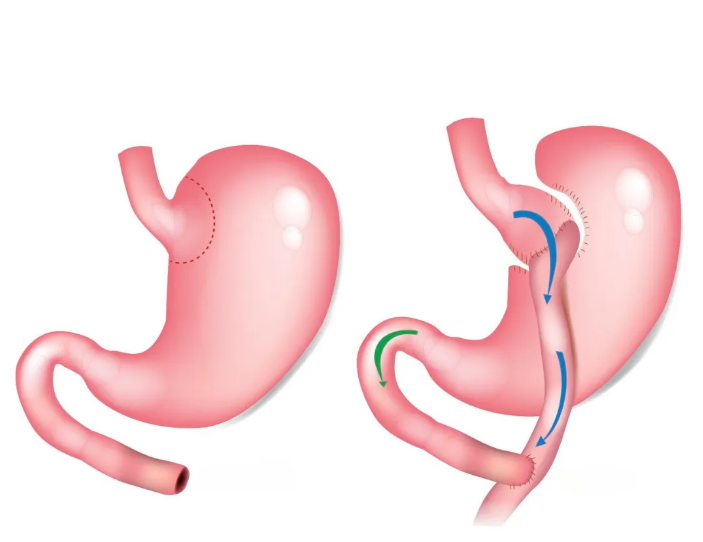
Depending on the patient's condition, the applied technique varies. One of the most common procedures is converting a dilated gastric sleeve or a problematic gastric band into a Gastric Bypass (Roux-en-Y), which also reduces nutrient absorption.
Procedure Duration and Technologies:
Depending on the state of the existing anatomy, the surgery typically takes between 2 to 4 hours. Today, these procedures are performed with utmost precision and safety using high-definition 3D laparoscopic systems and advanced surgical staplers.
Potential Risks and Success Rates
As with any surgical procedure, revision surgery carries general risks such as bleeding, infection, or complications related to anesthesia. Due to scar tissue (adhesions) from the previous abdominal surgery, revision operations technically require more expertise than primary surgeries. However, in the hands of experienced bariatric surgeons, the complication rate is exceptionally low.
When patients strictly follow their doctors' nutritional and lifestyle guidelines post-operation, success rates are very high. With regular follow-ups and dietitian support, patients shed their excess weight and experience significant improvements in obesity-related comorbidities like Type 2 diabetes and hypertension.
Post-Operative Recovery and Returning Home
The recovery process after revision surgery is generally fast and comfortable, thanks to the laparoscopic technique. Our international patients are hosted in our fully equipped hospital for an average of 2 to 3 days following the surgery, closely monitored by our specialist physicians. After discharge, you will rest at our partnered luxury hotels for a few more days to allow your body to adapt and to complete final pre-flight check-ups. A total trip of 7 to 10 days is sufficient to safely complete this process.
During the crucial dietary phase of recovery, a special progressive diet program is applied—starting with liquids in the first weeks, moving to purees, and gradually transitioning to solid foods. You won't be alone once you return to your home country; the MedicalGuide team and our expert dietitians will continue to monitor your healing and healthy weight loss journey step-by-step through regular online consultations.
Why Choose Turkey and MedicalGuide?
Turkey is one of the most powerful hubs for global medical tourism, boasting JCI-accredited hospitals of world-class standards, state-of-the-art technological infrastructure, and specialist physicians with experience in tens of thousands of bariatric cases. Choosing Turkey for a highly specialized surgery like a revision means receiving premium medical care at a much more accessible cost.
At MedicalGuide, we transform this sensitive process for our international patients into a flawless experience from start to finish. We are not just a medical tourism agency; we are your healthcare partner. From planning your flight tickets to your luxury hotel accommodation, VIP transfers between the airport and hospital, to providing 24/7 native-speaking interpretation support, we meticulously coordinate every step. Coming to Turkey with the assurance of MedicalGuide means embarking on a safe, comfortable, and peaceful journey to recovery.
References
- ASMBS (American Society for Metabolic and Bariatric Surgery): Revisional Bariatric Surgery Guidelines.
- Mayo Clinic: Bariatric Surgery Procedures, Risks & Results.
- NIH (National Institutes of Health): Clinical Outcomes and Safety of Revisional Bariatric Surgery.
- Cleveland Clinic: Weight Loss (Bariatric) Surgery Revision.